
01
Coal handling
At full output the plant uses around 20,000 tons of coal a day. It is received, stored, crushed and conveyed to the boilers in a continuous, carefully managed cycle.
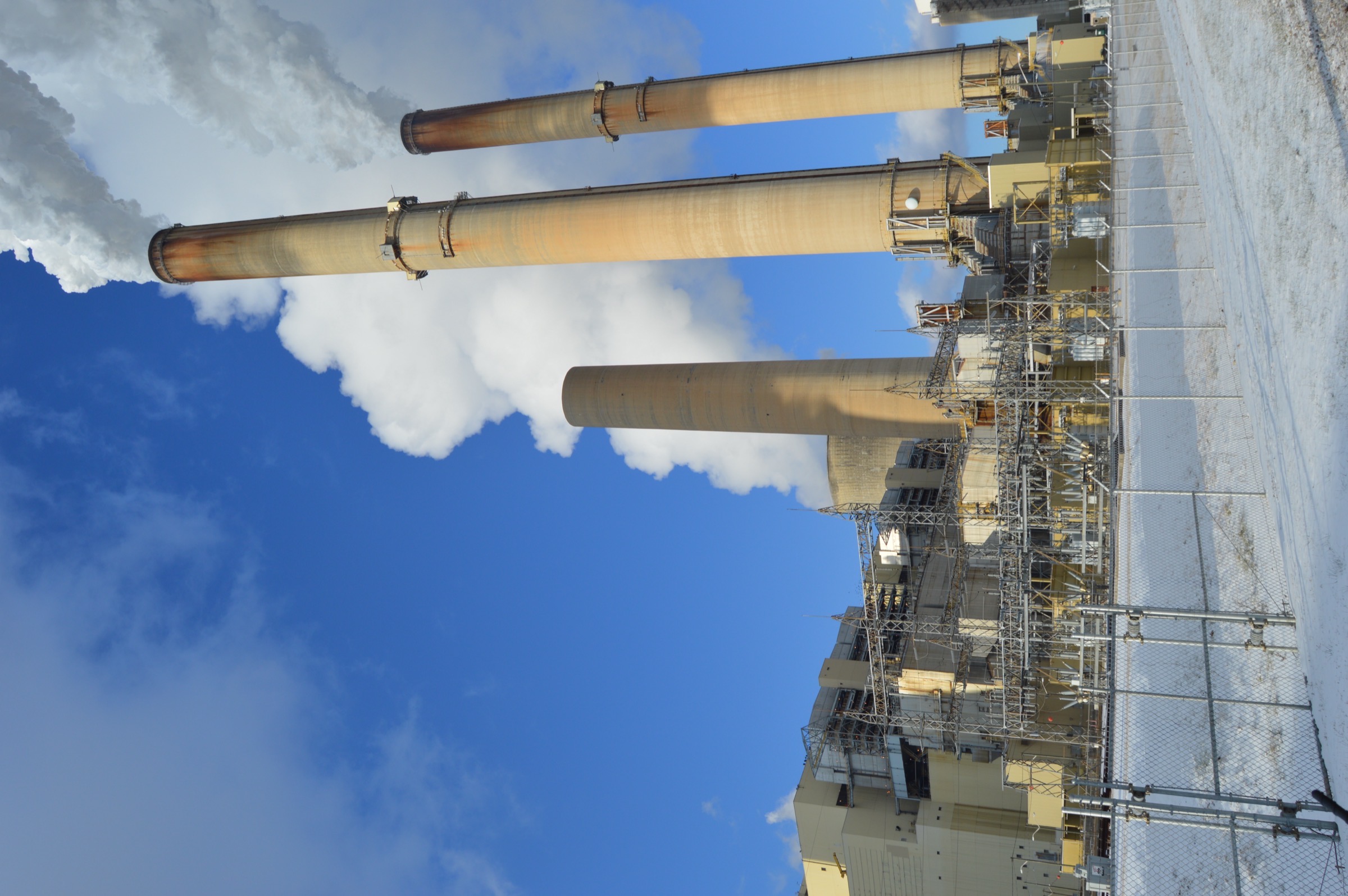
General James M. Gavin Plant · Cheshire, Ohio
Two supercritical units. 2,600 megawatts. One of the largest generating stations in Ohio, delivering baseload power to the PJM grid since 1974.
Since 1974
Built to run when the region needs it most.
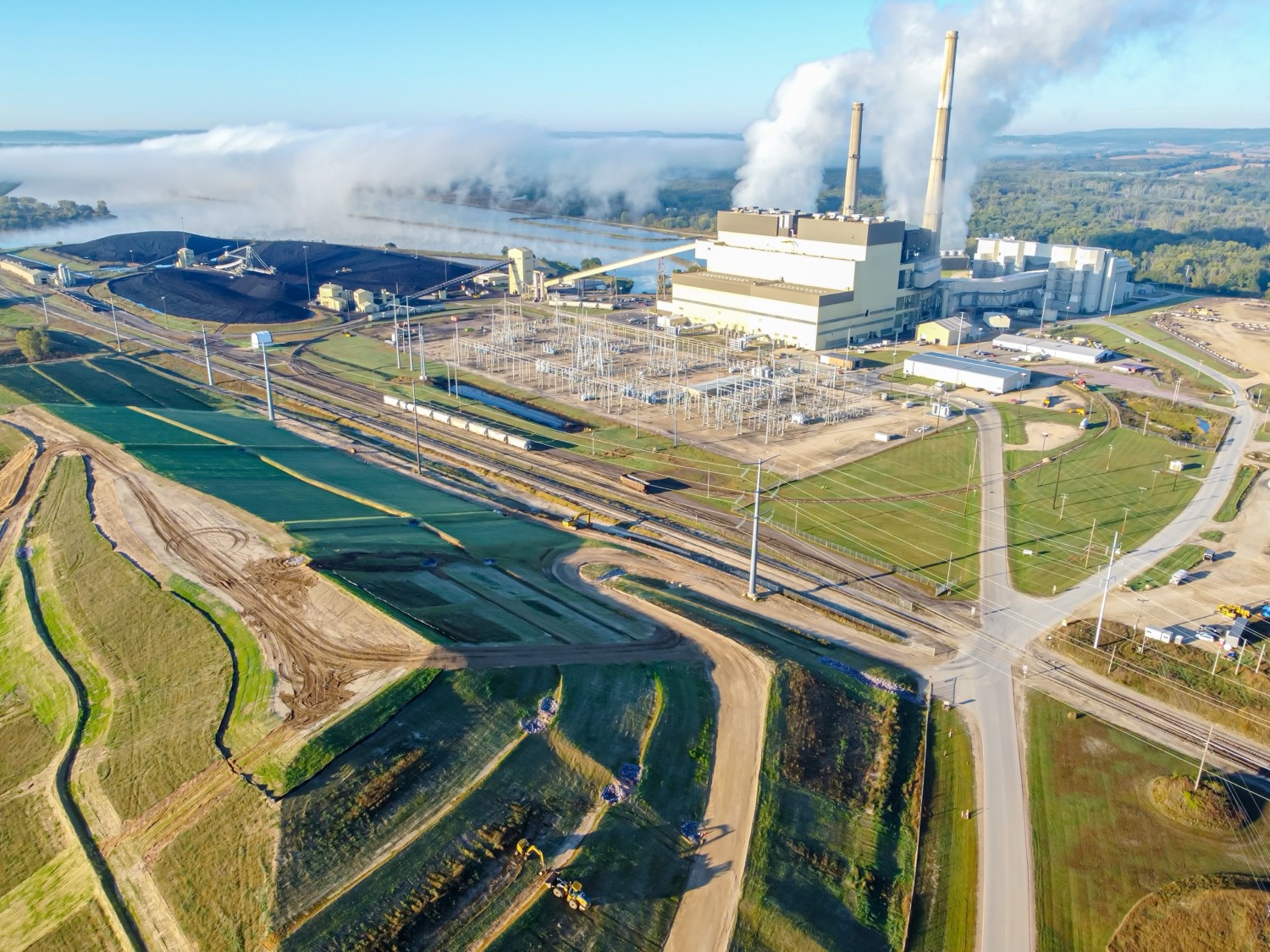
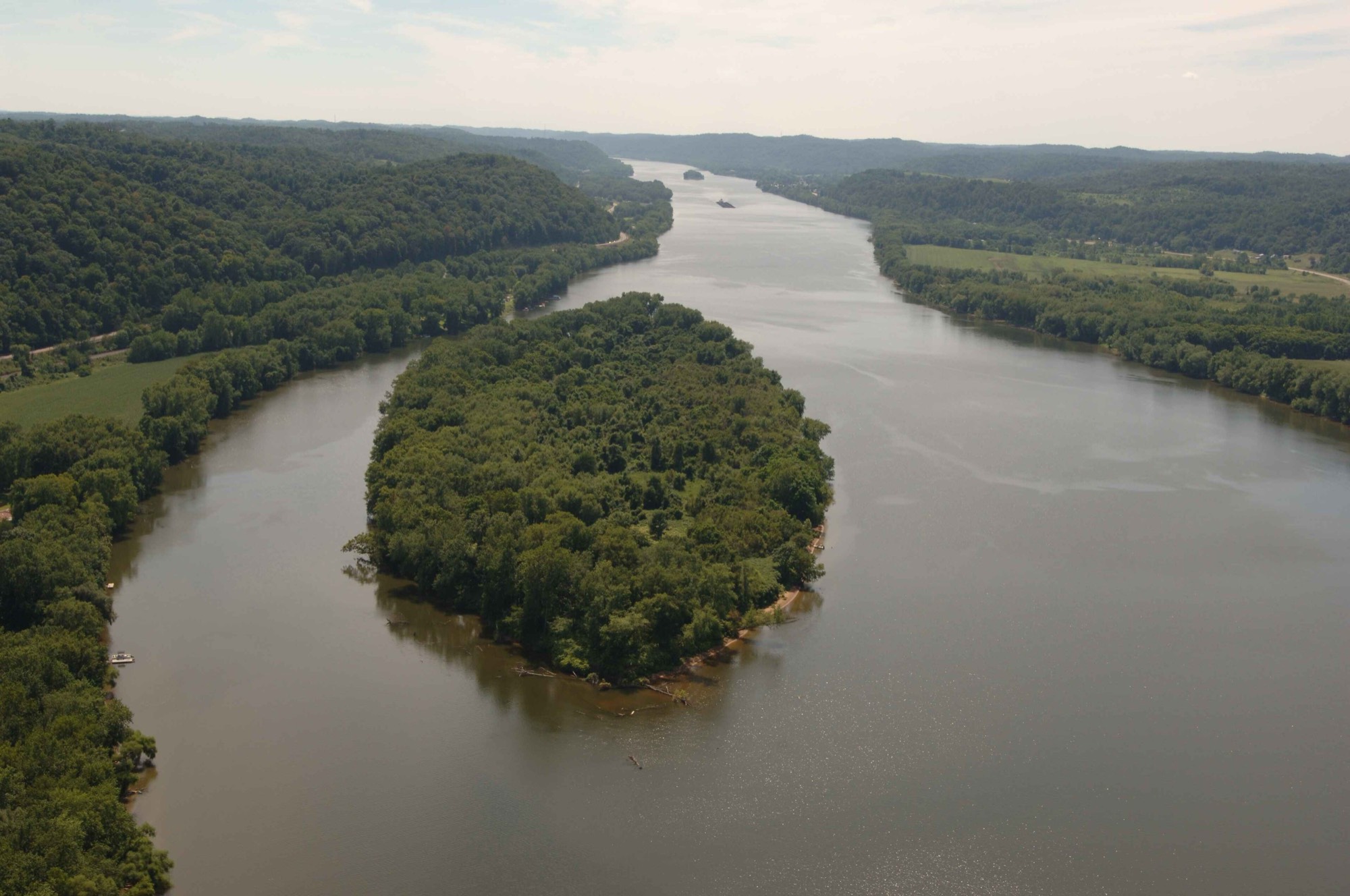
For half a century, the Gavin Plant has stood on the banks of the Ohio River in Gallia County, turning fuel, water and the skill of its people into dependable electricity. Two supercritical units feed the 765-kilovolt backbone of the PJM grid, keeping homes, hospitals and industry running through every season.
2,600MW
Nameplate generating capacity
2units
Supercritical units of 1,300 MW each
765kV
Transmission connection to the grid
~2million
Homes the plant is capable of powering
~20,000t/day
Tons of coal at full output
About the plant
The General James M. Gavin Plant is named for the World War II commander of the 82nd Airborne Division. Its two units entered service in 1974 and 1975, and together they make Gavin the largest coal-fired facility in Ohio and one of the largest in the United States.
In February 2017, Gavin represented slightly more than 11% of Ohio's total electric generating capacity. Today it is operated by Gavin Power, LLC, part of Lightstone Generation.
How we generate
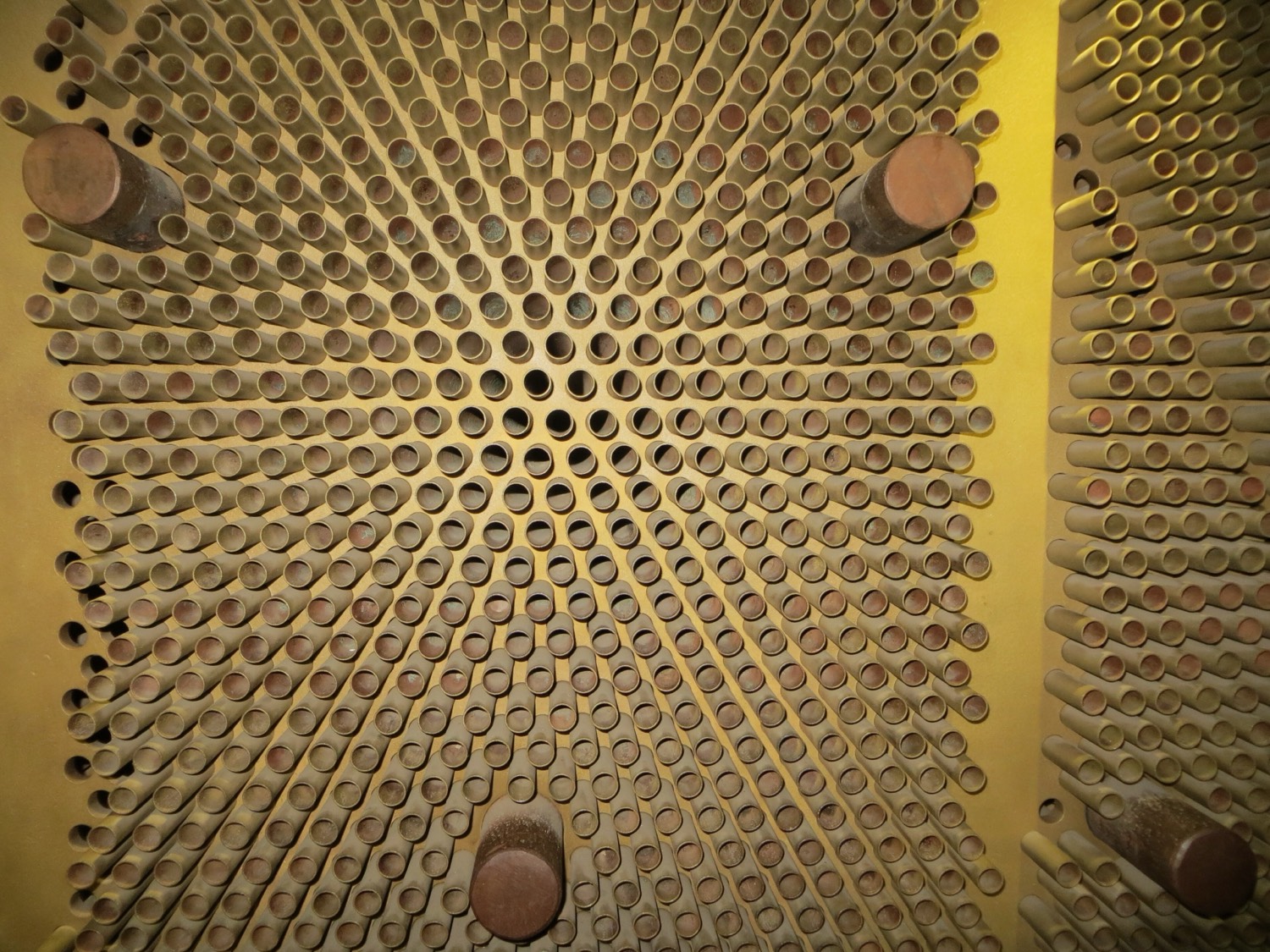
At full output the plant uses around 20,000 tons of coal a day. It is received, stored, crushed and conveyed to the boilers in a continuous, carefully managed cycle.
Each unit's boiler operates above water's critical point, where water becomes steam without boiling. That means less fuel per megawatt-hour than conventional subcritical designs.
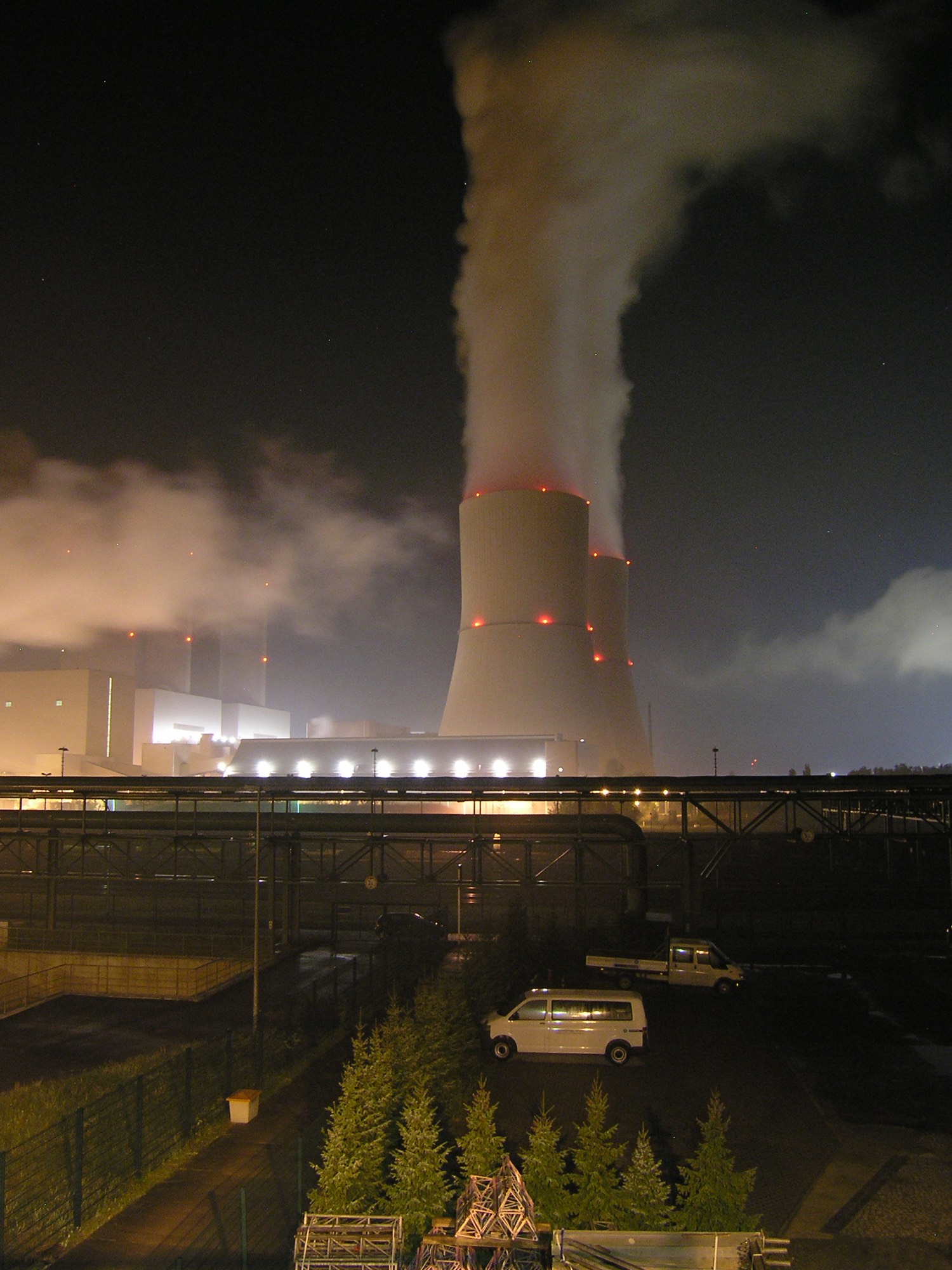
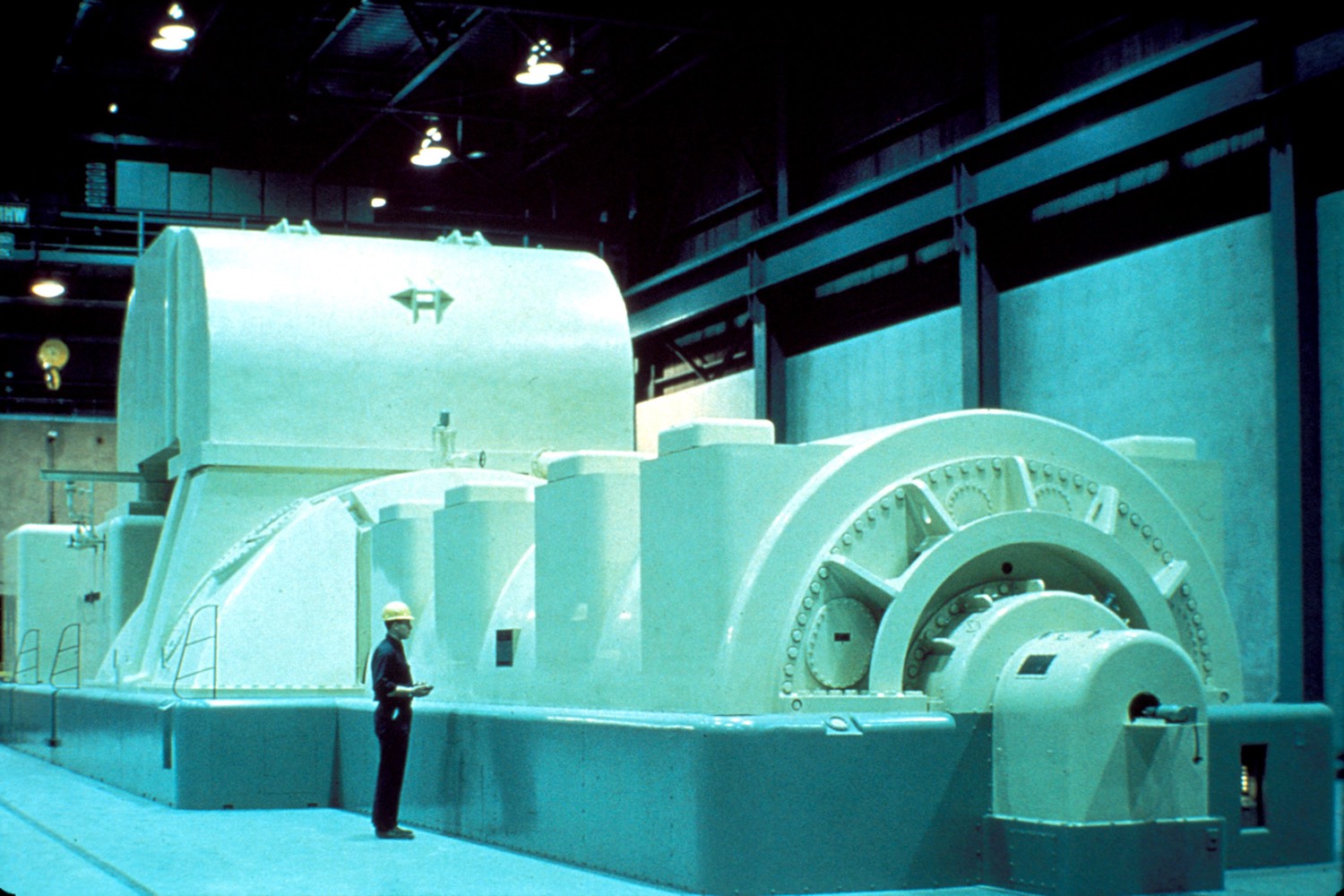
High-pressure steam drives the turbines, which spin the generators. Each unit is rated at 1,300 MW. Cooling towers then return the condensed water to the cycle.
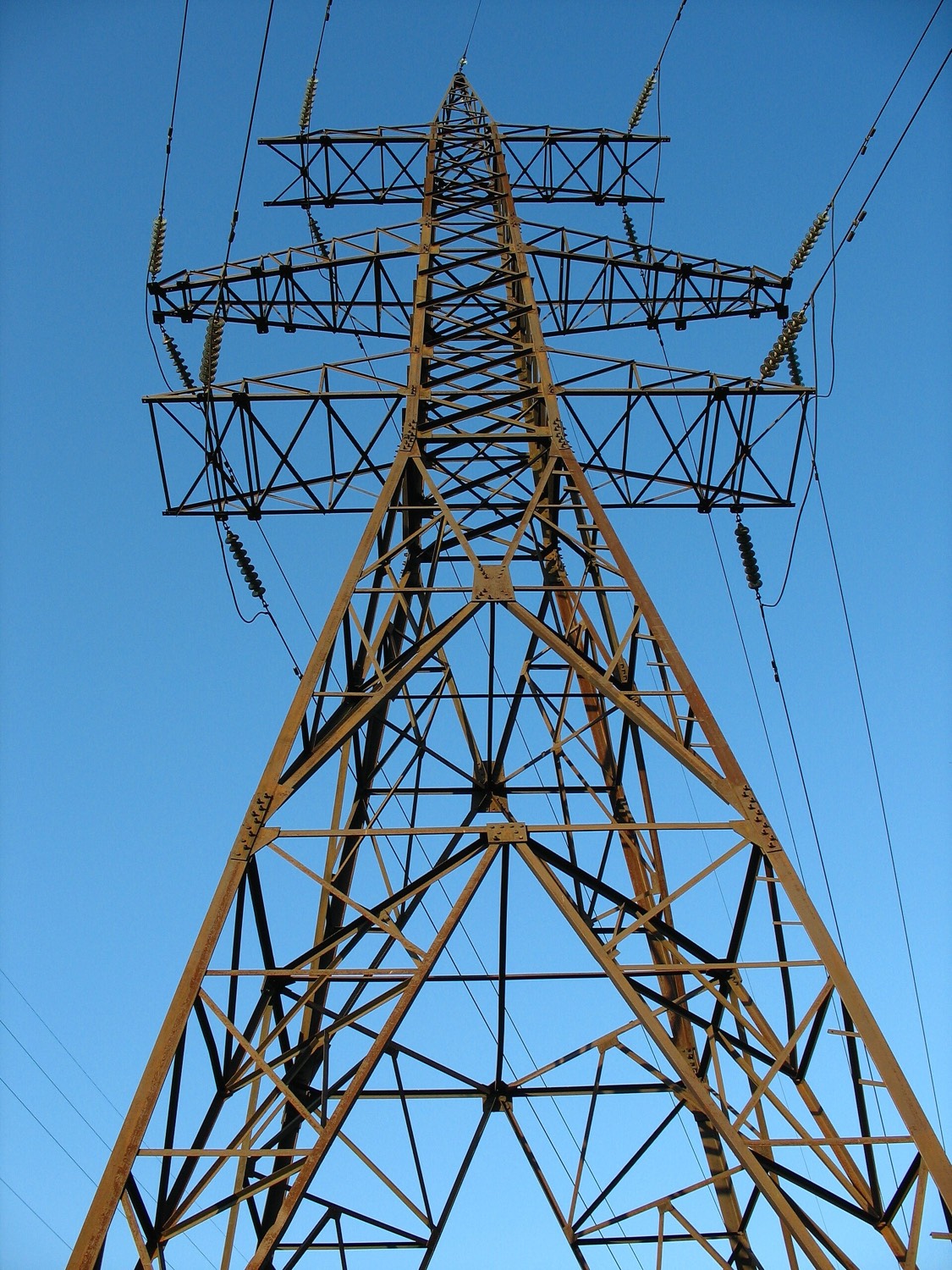
Power leaves the switchyard on 765-kilovolt transmission lines into the PJM Interconnection, which serves millions of customers across the Mid-Atlantic and Midwest.
Before flue gas reaches the stacks, it passes through selective catalytic reduction, flue-gas desulfurization scrubbers and electrostatic precipitators.
Environmental stewardship
82%
Selective catalytic reduction (SCR) units convert NOx into nitrogen and water vapor, cutting nitrogen oxide emissions by 82%.
SCR
94%
Flue-gas desulfurization scrubbers capture 94% of sulfur dioxide before the gas leaves the plant.
FGD
ESP
Electrostatic precipitators use charged plates to remove fine particles from the flue gas stream.
Electrostatic precipitators
Community & Gallia County
~$6M
As Gallia County's largest taxpayer, Gavin helps fund local schools and county government.
Our people and the plant support community organizations across the region every year.
#1
A cornerstone of the regional economy and of reliable power for the communities we serve.


Safety & people
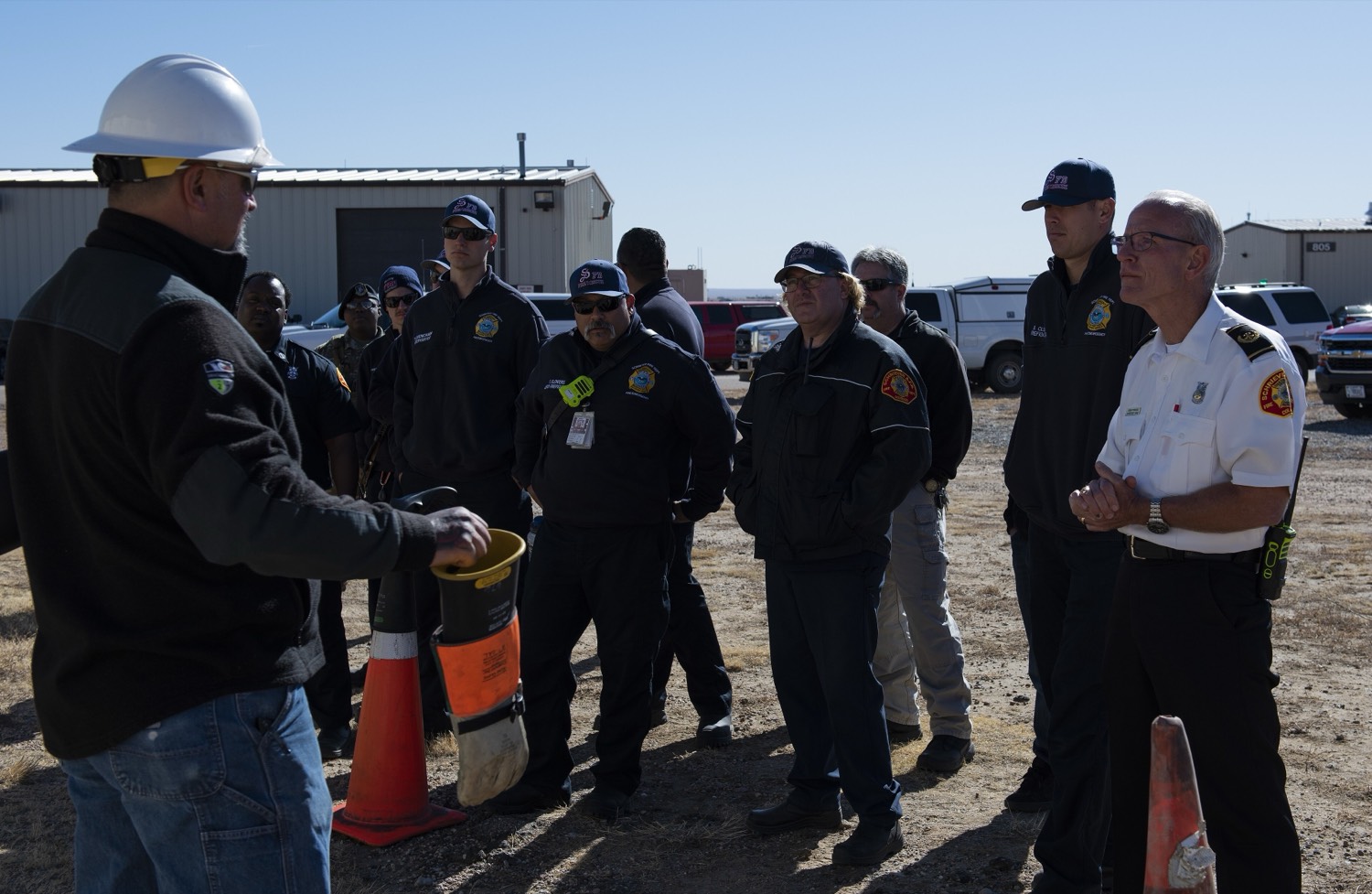
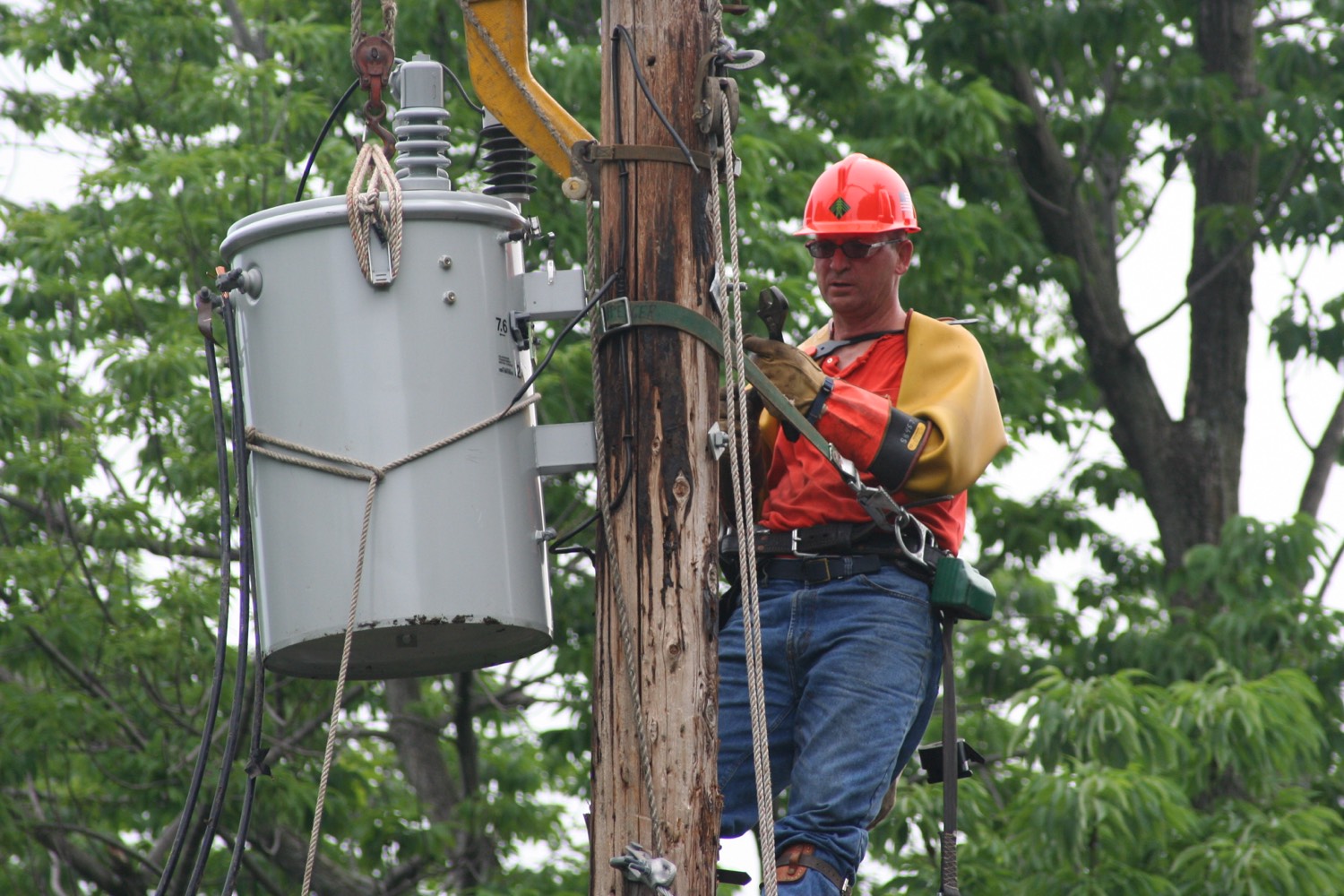
Running a 2,600 MW plant takes operators, engineers, mechanics, electricians, chemists and support teams who take pride in their craft and in looking out for each other.
Clear procedures, job briefings and a culture where anyone can stop unsafe work.
Teams own their equipment and the reliability of the units they run.
Technical training and room to grow from the field to leadership.
We live where we work, and we show up for Gallia County.
Operations · Maintenance · Engineering · Environmental · Administration
Vendor & contractor portal
Contractors and suppliers manage their work with Gavin in one place, from onboarding to approved invoices.
Our history
Unit 1 enters service as part of the American Electric Power system.
Unit 2 enters service, bringing the plant to 2,600 MW.
Lightstone Generation, a joint venture formed by Blackstone and ArcLight, completes its acquisition of the plant from AEP.
Energy Capital Partners acquires Lightstone Generation in August.
Gavin continues to deliver dependable baseload power to the PJM grid.
Contact